Bilal Name Meaning: The Story of the First Muezzin and Spiritual Depth
The name Bilal carries a deep spiritual legacy in Islam. Loved by Muslim families across generations, this name is associated with faith, strength, patience, and the unforgettable story of one of the most honored companions of Prophet Muhammad ﷺ.
What Does the Name Bilal Mean?
In Arabic culture, water represents life, purity, mercy, and relief. Because of this, the name Bilal carries a peaceful and comforting emotional meaning. It symbolizes someone who brings calmness, hope, and goodness into the lives of others.
Although the literal meaning sounds simple, the spiritual value of the name became incredibly powerful because of Bilal ibn Rabah (RA), one of the most beloved companions in Islamic history.
Today, when Muslims hear the name Bilal, they often think about unwavering faith, patience during hardship, and a voice that called believers toward prayer and peace.
The Inspiring Story Behind the Name Bilal
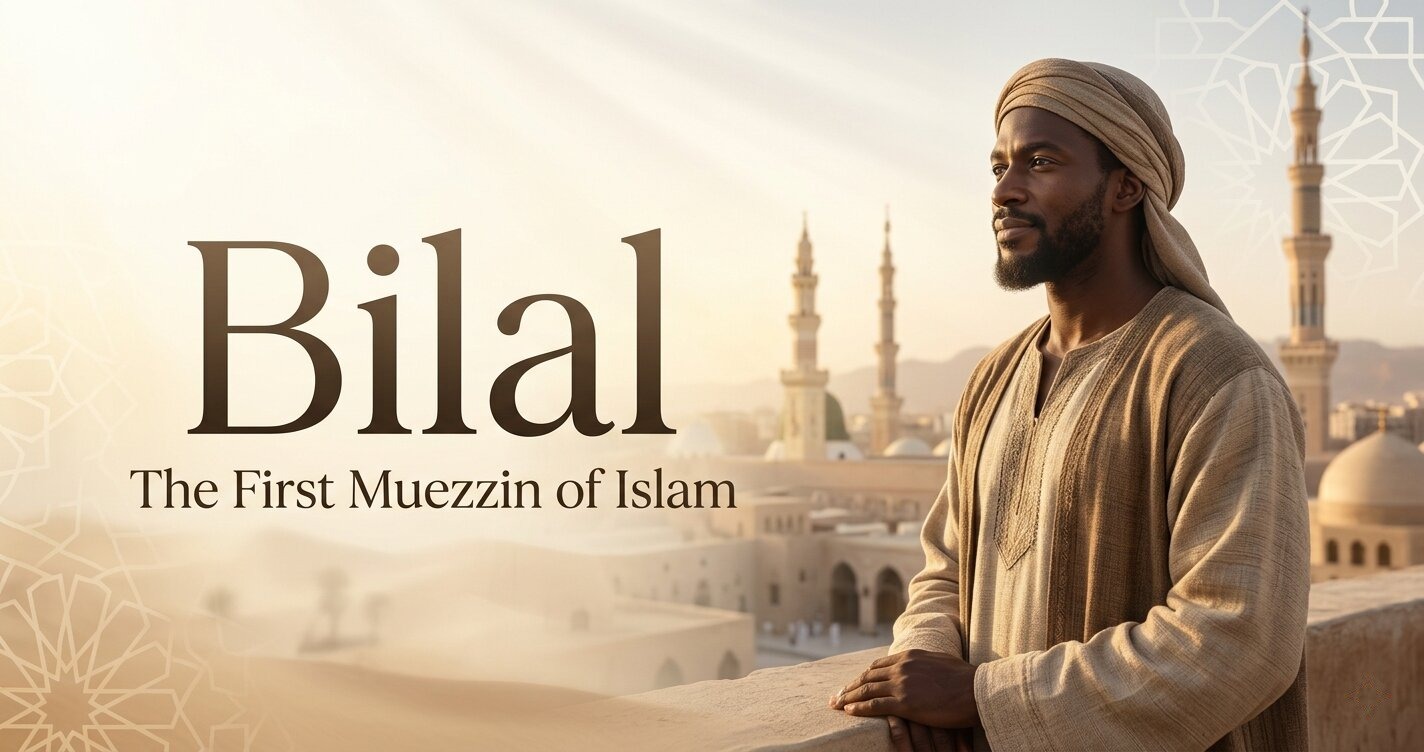
The name Bilal is forever connected to the remarkable story of Bilal ibn Rabah (RA), the first muezzin of Islam.
Bilal (RA) was born into slavery in Makkah and accepted Islam during its earliest days. Because of his faith in Allah and loyalty to Prophet Muhammad ﷺ, he faced severe torture from those who wanted him to abandon Islam.
Even in unbearable pain, Bilal (RA) remained firm. He repeatedly declared:
His patience and devotion became a timeless symbol of spiritual strength. Later, after gaining freedom, Bilal (RA) was honored by the Prophet ﷺ with one of the most beautiful roles in Islam — calling the Adhan.
His voice echoed through Madinah, inviting people to prayer and reminding believers of their connection to Allah. Because of this, the name Bilal became associated with sincerity, courage, humility, and deep faith.
Origin and Spiritual Roots of Bilal
Bilal is a classic Arabic name that has remained popular throughout Islamic history. Unlike trendy names that come and go, Bilal has stayed meaningful for centuries because of its connection to one of the greatest companions of Islam.
The name is widely used in Muslim communities across the Middle East, South Asia, Africa, Europe, and beyond. It is respected not only for its beautiful sound but also for the emotional and spiritual values attached to it.
Parents who choose the name Bilal often hope their son will grow up with honesty, courage, and a strong relationship with Allah. The name naturally reminds people of patience during struggles and faith during difficult moments.
Personality Traits Associated with Bilal
The name Bilal often creates the image of someone calm, trustworthy, and emotionally strong. He may not always seek attention, but his presence feels comforting and sincere.
Many people associate the name Bilal with wisdom and patience. Just like the historical Bilal (RA), the personality connected to this name reflects endurance and inner faith. A person named Bilal may grow into someone who values honesty, treats others with respect, and stays loyal to family and friends.
There is also a gentle spiritual quality attached to the name. Bilal sounds thoughtful, disciplined, and humble. It feels like the name of someone who quietly inspires others through actions rather than words.
In modern times, the name Bilal balances tradition and simplicity beautifully. It works well for a child growing up in any part of the world while still maintaining a strong Islamic identity.
Why Parents Love the Name Bilal
Muslim parents love the name Bilal because it combines history, spirituality, and simplicity in one beautiful name.
It is easy to pronounce, globally recognized, and deeply respected in Islamic tradition. The name immediately reminds people of Bilal ibn Rabah (RA), whose life story continues to inspire millions of Muslims around the world.
Parents also appreciate that Bilal is meaningful without sounding overly complicated. It carries emotional depth while remaining modern and timeless at the same time.
Choosing the name Bilal often reflects a parent's hope that their child will grow up with faith, courage, humility, and a pure heart.
Is Bilal a Good Name in Islam?
Yes, Bilal is considered one of the most respected and beautiful names in Islam.
The name belongs to Bilal ibn Rabah (RA), a beloved companion of Prophet Muhammad ﷺ and the first official muezzin in Islamic history. Because of this powerful connection, Muslims across generations have honored and loved this name.
Islamic teachings encourage meaningful names connected to righteousness, good character, and faith. Bilal perfectly reflects these values.
A Beautiful Dua for Bilal
Dua:
“May Allah bless Bilal with strong faith, wisdom, sincerity, and a heart filled with peace. May he grow into a source of goodness and guidance for others. Ameen.”
Frequently Asked Questions (FAQs)
What does Bilal mean in Arabic?
Bilal means “moisture,” “freshness,” or “water” in Arabic.
Who was Bilal in Islam?
Bilal ibn Rabah (RA) was one of the closest companions of Prophet Muhammad ﷺ and the first muezzin in Islam.
Is Bilal mentioned in the Quran?
Bilal (RA) is not directly mentioned in the Quran, but he is highly respected in Islamic history and Hadith traditions.
Why is Bilal a popular Muslim boy name?
Bilal is popular because of its strong Islamic connection, beautiful meaning, and inspiring story of faith and perseverance.
Quick Name Facts
- Gender Boy
- Origin Arabic
- Religion Islam
- Main Meaning Freshness
- Associated Traits Faithful, Strong