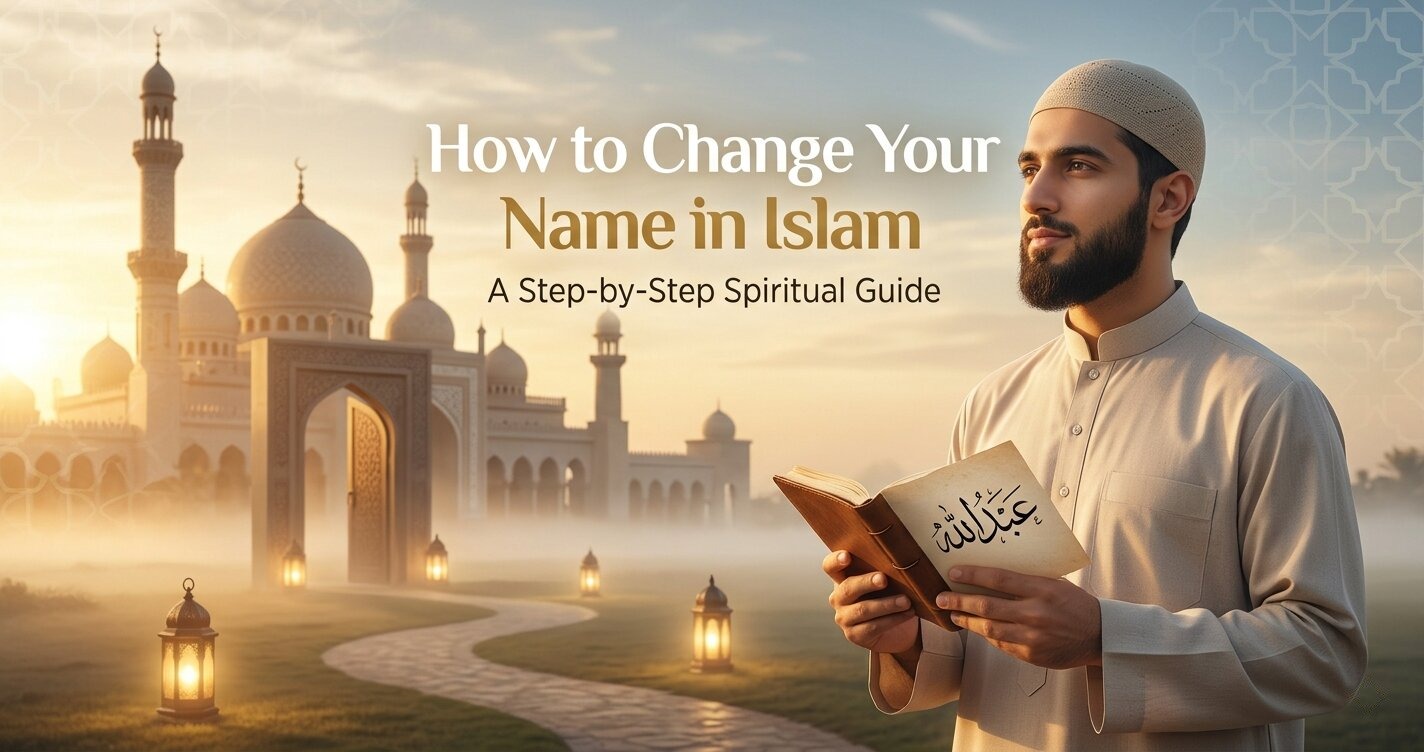
How to Change Your Name in Islam: A Step-by-Step Spiritual Guide
A name is more than just a word — it is part of your identity, your faith, and the way you are remembered in this world and the next.
In Islam, names carry deep meaning. They reflect character, values, and spiritual connection. Many Muslims around the world choose to change their names after accepting Islam, reconnecting with their faith, or discovering that their current name carries an inappropriate or harmful meaning.
Changing your name in Islam is not about erasing your past. It is about embracing a new chapter with sincerity, dignity, and closeness to Allah. Whether you are a revert to Islam, someone searching for a more meaningful Islamic name, or simply seeking guidance, this spiritual journey can be emotional, beautiful, and deeply personal.
Does Islam Allow Changing Your Name?
Yes, Islam allows changing names, especially if the existing name has a negative, sinful, or inappropriate meaning. The Prophet Muhammad ﷺ changed several names of people because their meanings were unpleasant or spiritually harmful.
Islam encourages names with good meanings — names connected to kindness, faith, purity, gratitude, courage, and devotion to Allah.
When Should a Muslim Consider Changing Their Name?
There are several situations where changing a name may be encouraged or personally meaningful:
After Accepting Islam
Many reverts choose Islamic names to symbolize a fresh spiritual beginning and a stronger connection with the Muslim identity.
Negative or Offensive Meanings
If a name carries meanings linked to arrogance, disbelief, evil, or inappropriate concepts, changing it is recommended.
Wanting a Stronger Islamic Identity
Some Muslims choose names inspired by the Prophets, companions, or beautiful Arabic meanings to strengthen their spiritual identity.
Personal Emotional Healing
Sometimes a name may carry painful memories or emotional struggles. Choosing a meaningful name can bring peace and hope.
Important Islamic Reminder
Islam does not require every revert or Muslim to change their name. If your current name has a good meaning and does not conflict with Islamic beliefs, keeping it is completely acceptable.
Step-by-Step Guide to Changing Your Name in Islam
Step 1: Reflect on Your Intention
Begin with sincerity. Ask yourself why you want to change your name. In Islam, intentions matter greatly. Your decision should come from faith, self-respect, and a desire to grow spiritually — not from pressure or trends.
Step 2: Choose a Meaningful Islamic Name
Select a name with a beautiful meaning. Many Muslims choose names inspired by:
- Prophets and Messengers
- Companions of the Prophet ﷺ
- Names connected to mercy, patience, light, wisdom, or gratitude
- Names that remind you of your spiritual goals
Step 3: Learn the Meaning Carefully
Before choosing a name, research its meaning and origin carefully. A beautiful-sounding name may sometimes carry a meaning that does not align with Islamic values. Understanding the meaning helps you choose wisely and confidently.
Step 4: Inform Family and Close Friends
Changing your name can be emotional for both you and your loved ones. Explain your reasons gently and respectfully. Some people may take time to adjust, but patience and kindness are part of Islamic character.
Step 5: Complete Legal Changes if Needed
If you want your new name on official documents, check your country’s legal process for name changes. This may include updating IDs, bank records, passports, educational certificates, and social profiles.
Step 6: Embrace Your New Identity with Gratitude
A new name can become a reminder of your spiritual journey and relationship with Allah. Carry it with humility, gratitude, and good character. The beauty of a Muslim name shines brightest through actions and manners.
The Emotional Side of Changing Your Name
For many Muslims, changing a name is deeply emotional. It may represent healing after hardship, acceptance of Islam after years of searching, or a return to faith after feeling spiritually lost.
Some people cry when they hear their new Islamic name for the first time because it feels like a rebirth of the heart. Others feel peace knowing their name now carries a meaning connected to Allah, mercy, hope, or righteousness.
In Islam, your worth is not determined by race, culture, or status — but by your faith and character. A meaningful name can become a beautiful reflection of that journey.