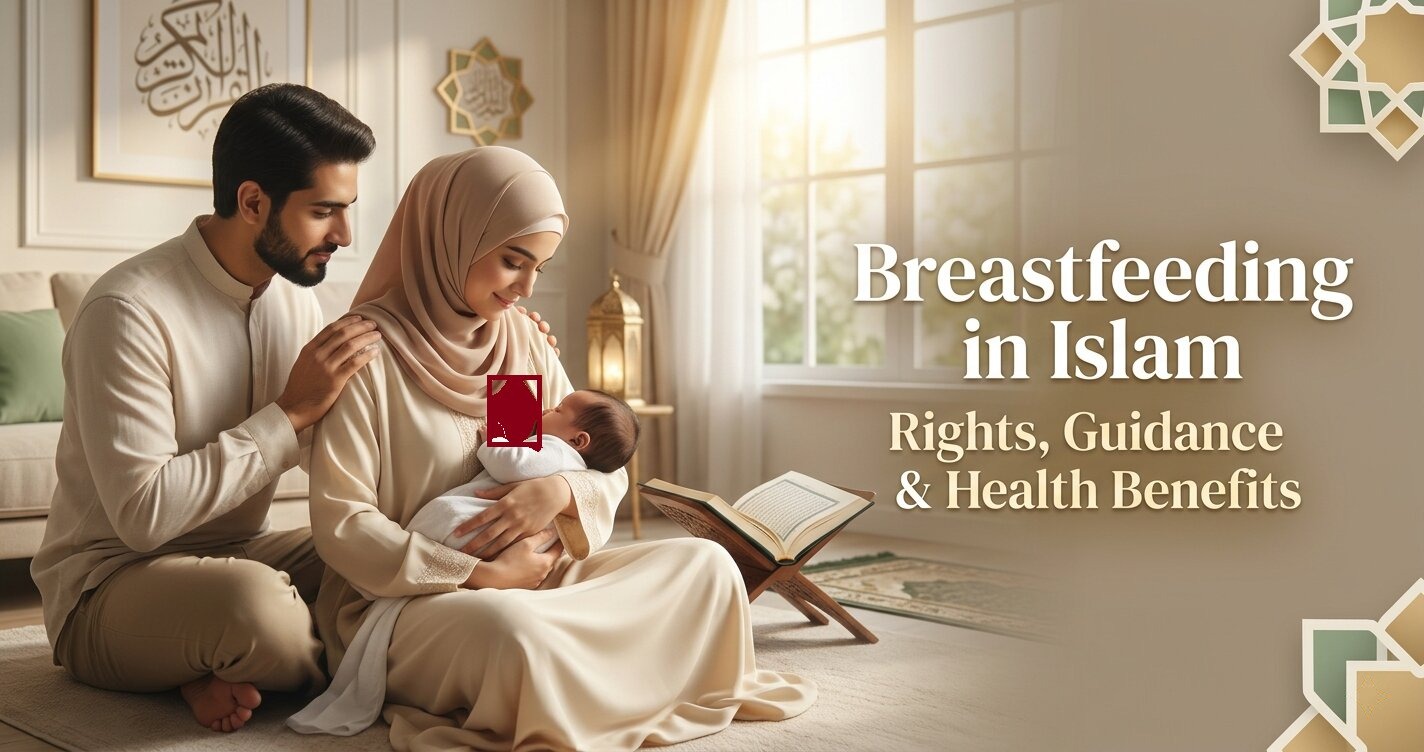
Breastfeeding in Islam: Rights, Quranic Guidance, and Health Benefits
Islam beautifully honors motherhood and places deep importance on the care, nourishment, and emotional well-being of children. Among the most powerful examples of this care is breastfeeding — a natural act of mercy, love, and protection that Allah سبحانه وتعالى mentions directly in the Quran.
Breastfeeding is more than nutrition in Islam. It is an emotional connection between mother and child, a right of the baby, and a source of physical and spiritual comfort. Long before modern science confirmed its health benefits, Islam encouraged breastfeeding with wisdom and balance.
In today’s fast-moving world, many Muslim parents seek guidance on breastfeeding from both an Islamic and practical perspective. This article explores Quranic teachings, the rights connected to breastfeeding, emotional significance, and scientifically recognized health benefits.
What Does the Quran Say About Breastfeeding?
The Quran clearly acknowledges breastfeeding as an important part of early childhood care. Allah سبحانه وتعالى says that mothers may breastfeed their children for two complete years for those who wish to complete the nursing period.
“Mothers may breastfeed their children two complete years for whoever wishes to complete the nursing period...”
This guidance reflects the mercy and wisdom of Islam. It recognizes the importance of maternal care while also encouraging fathers to support mothers emotionally and financially during this period.
Islam does not treat breastfeeding as a burden placed only on women. Instead, it presents it as a shared family responsibility built upon compassion, cooperation, and kindness.
The Child’s Right to Breastfeeding
Islamic scholars mention that proper nourishment and care are among the rights of children. Breastfeeding is considered one of the most natural and beneficial ways to fulfill this responsibility when possible.
A newborn enters the world completely dependent on love, warmth, and protection. Breastfeeding provides not only food but emotional reassurance. The closeness of a mother’s heartbeat, touch, and voice creates a feeling of security that deeply affects a child’s emotional development.
Islam recognizes that every family situation is different. If breastfeeding becomes medically difficult or impossible, parents are not sinful. Islam is a religion of mercy, not hardship.
The Emotional Bond Between Mother and Child
One of the most beautiful aspects of breastfeeding is the emotional attachment it creates. During feeding, babies feel calm, protected, and emotionally connected to their mothers.
Islam places enormous value on mercy and tenderness within families. Breastfeeding naturally strengthens these qualities. In those quiet moments — especially during late nights and early mornings — mothers often develop an unbreakable emotional connection with their child.
These moments are not small in Islam. Caring for a child with patience and love is considered an act of worship when done sincerely for the sake of Allah.
Health Benefits of Breastfeeding
Modern medical research strongly supports the benefits of breastfeeding for both babies and mothers. Interestingly, many of these benefits align beautifully with the wisdom already emphasized in Islam centuries ago.
Stronger Immunity for Babies
Breast milk contains antibodies and nutrients that help protect babies from infections and illnesses during early development.
Emotional Security
Skin-to-skin contact and regular feeding help babies feel emotionally safe and comforted.
Health Benefits for Mothers
Breastfeeding may support postpartum recovery and contribute positively to maternal health.
Natural and Balanced Nutrition
Breast milk naturally adapts to the baby’s developmental needs and provides balanced nourishment.
The Father’s Responsibility in Islam
Islam teaches that fathers also have responsibilities during the breastfeeding period. Mothers deserve support, care, financial assistance, emotional understanding, and kindness.
Parenting in Islam is not meant to be carried alone. A peaceful home environment helps both mother and child remain emotionally healthy.
Sometimes the greatest support is simple compassion — helping with household responsibilities, encouraging rest, and appreciating the sacrifices mothers make daily.
Islam Encourages Balance and Ease
While Islam highly values breastfeeding, it also recognizes human limitations. Some mothers face medical conditions, low milk supply, emotional exhaustion, or other difficulties.
Islam never promotes guilt or cruelty toward struggling mothers. If alternatives become necessary, parents should make decisions with wisdom, medical guidance, and sincerity.
Muslim mothers should never feel ashamed if breastfeeding becomes difficult. Allah knows every struggle, sacrifice, and intention hidden within the heart.
A Beautiful Act of Mercy
Breastfeeding reflects the beauty of Islamic parenting — mercy, patience, compassion, and care. It reminds us that even simple daily acts can become deeply spiritual when done for the sake of Allah.
The quiet moments between mother and child are filled with unseen rewards, emotional healing, and lifelong memories. Islam honors these moments because strong families are built through love and mercy.
May Allah bless all mothers with strength, ease, patience, and barakah in raising righteous children. Ameen.