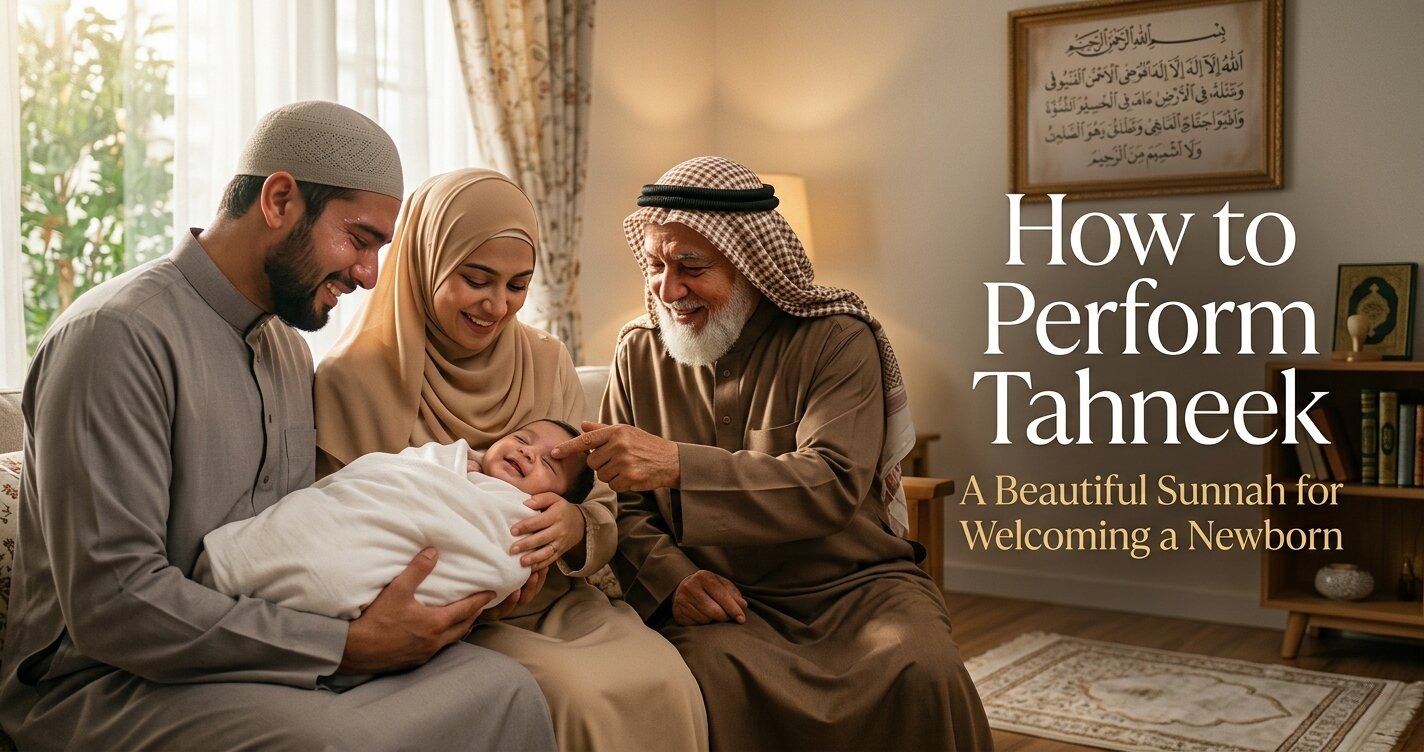
How to Perform Tahneek: A Step-by-Step Sunnah Guide
Welcoming a newborn into the world is one of the most emotional and blessed moments in a Muslim family’s life. Along with joy, Islam teaches parents beautiful Sunnah practices that spiritually welcome the child into the Ummah. One of these beloved traditions is Tahneek.
Tahneek is a gentle Sunnah performed shortly after a baby’s birth. It was practiced by Prophet Muhammad ﷺ himself, showing the deep love, mercy, and care Islam gives to children from the very first moments of life.
In this detailed guide, you will learn what Tahneek means, its Islamic significance, how to perform it correctly, and why this Sunnah continues to hold emotional and spiritual value for Muslim families around the world.
What is Tahneek in Islam?
Tahneek is the practice of softening a date and gently rubbing a small amount onto the palate of a newborn baby. This Sunnah was performed by Prophet Muhammad ﷺ for many newborn companions.
The word “Tahneek” comes from the Arabic word related to the palate or mouth. Traditionally, a softened date is used because dates are blessed foods in Islam and were loved by the Prophet ﷺ.
Many authentic narrations mention companions bringing their newborn babies to the Prophet ﷺ so he could perform Tahneek and make dua for them. This beautiful act symbolized blessings, love, and the beginning of the child’s journey in Islam.
The Emotional and Spiritual Beauty of Tahneek
Islam is not only a religion of rules and rituals — it is a religion of mercy, emotions, and family bonds. Tahneek beautifully reflects this Islamic spirit.
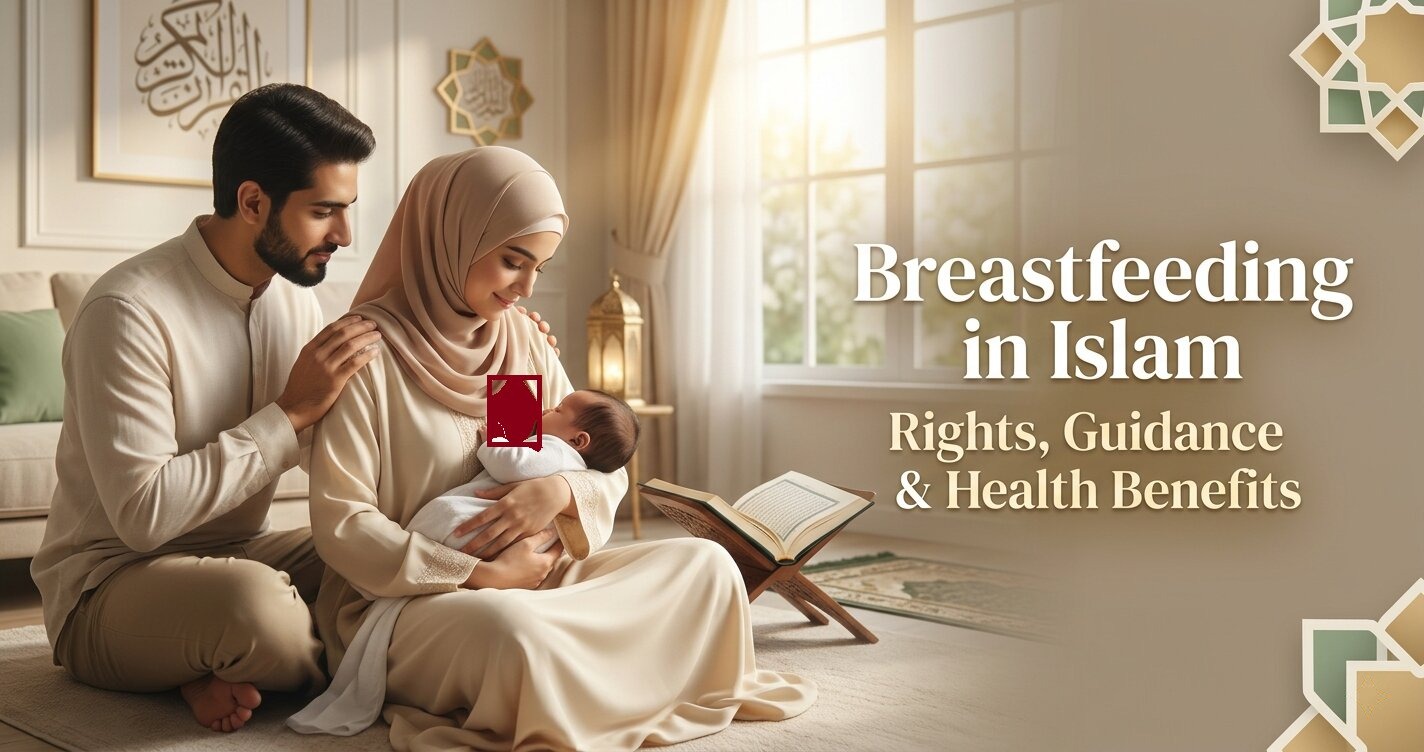
Imagine holding your newborn child for the very first time. Tiny fingers, closed eyes, and a pure soul entrusted to you by Allah. In that emotional moment, parents naturally want Allah’s blessings, protection, and guidance for their child.
Tahneek reminds Muslim parents that raising a child begins with spirituality. Before worldly ambitions, Islam teaches us to connect our children with faith, barakah, and Sunnah traditions.
This Sunnah also strengthens family love. Grandparents, parents, or respected elders often participate, creating emotional memories that stay within families for generations.
Step-by-Step Guide to Performing Tahneek
Step 1: Wash Your Hands Properly
Cleanliness is important in Islam. Before touching the baby or preparing the date, thoroughly wash your hands.
Step 2: Prepare a Soft Date
Take a soft date and mash it gently until it becomes smooth. If dates are unavailable, scholars mention that another naturally sweet substance may be used, though dates are preferred because of the Sunnah.
Step 3: Take a Small Amount
Only a very tiny amount is needed. The purpose is not feeding the baby, but gently introducing the sweetness to the newborn’s palate.
Step 4: Rub Gently on the Baby’s Palate
Using a clean finger, gently rub the softened date inside the baby’s upper palate or mouth area. Be extremely gentle and careful with the newborn.
Step 5: Make Dua for the Child
This is one of the most beautiful parts of Tahneek. Pray for the baby’s health, iman, good character, protection, and success in this life and the Hereafter. Parents may also recite simple duas asking Allah to make the child righteous and obedient.
Who Should Perform Tahneek?
Ideally, a pious and respected Muslim elder may perform Tahneek, following the example of the companions who brought their children to Prophet Muhammad ﷺ. However, parents themselves may also perform it.
What matters most is sincerity, love, cleanliness, and following the Sunnah with good intentions.
Benefits of Tahneek
- Following an authentic Sunnah of Prophet Muhammad ﷺ
- Welcoming the newborn with blessings and remembrance of Allah
- Creating a spiritual connection from birth
- Strengthening Islamic family traditions
- Encouraging parents to begin their child’s upbringing with faith and dua
Important Things to Remember
- Always be gentle with newborn babies.
- Use only a tiny amount of softened date.
- Maintain proper hygiene.
- Tahneek is Sunnah, not an obligation.
- The focus should remain on sincerity and dua.
A Beautiful Beginning for a Muslim Child
Every parent dreams of raising a righteous child who grows with love for Allah and His Messenger ﷺ. Tahneek is a small yet deeply meaningful Sunnah that marks the beginning of that spiritual journey.
In today’s fast-paced world, reviving simple Sunnah practices helps Muslim families stay connected to Islamic values and traditions. Tahneek is not merely a ritual — it is a heartfelt prayer, a moment of mercy, and a reminder that every child is a precious amanah from Allah.
May Allah bless every newborn with health, iman, wisdom, and a life filled with barakah. Ameen.