Names Forbidden in Islam: 15 Names Every Parent Should Avoid
Choosing a name for your child is one of the first and most emotional responsibilities of parenthood. In Islam, a name is not just a label — it carries identity, meaning, character, and spiritual value. A beautiful name can become a source of honor, confidence, and barakah throughout a person's life.
The Prophet Muhammad ﷺ encouraged Muslims to choose good names and avoid names with bad meanings, arrogance, shirk, or disrespect toward Allah. Many parents today unknowingly select trendy or modern names without understanding their meanings or Islamic implications.
This guide will help Muslim parents understand which names are forbidden or strongly discouraged in Islam and why avoiding them is important for preserving Islamic identity and values.
Why Names Matter So Much in Islam
Islam places great importance on names because they reflect beliefs, values, and personality. The Prophet ﷺ even changed the names of some companions when their meanings were inappropriate or negative.
A child may carry their name for an entire lifetime. Imagine standing on the Day of Judgment and being called by a name connected to arrogance, false gods, or sinful meanings. This is why Muslim parents should choose names carefully and thoughtfully.
The best names in Islam are those that carry beautiful meanings, remind people of Allah, and inspire righteousness and humility.
15 Names Muslims Should Avoid
1. Abdul Nabi
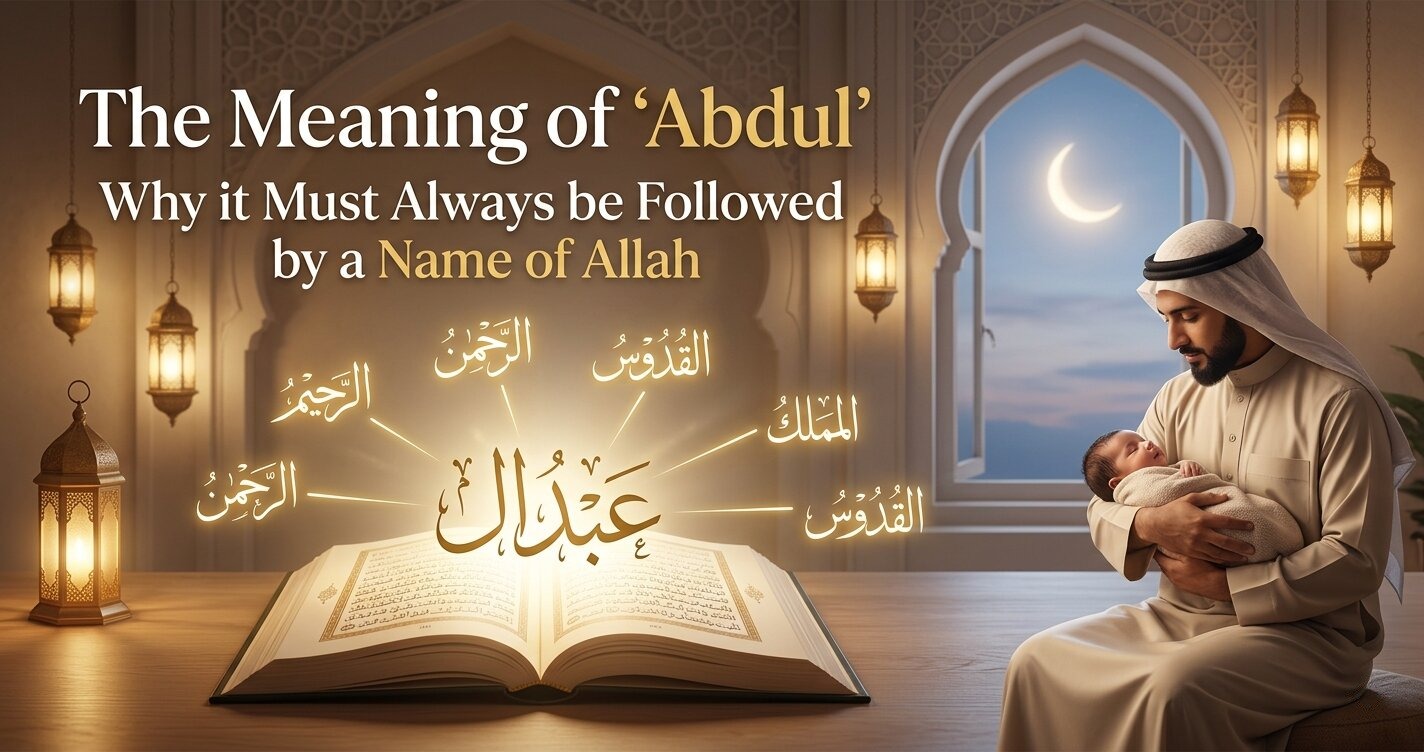
"عبد النبي" means “Servant of the Prophet.” In Islam, servitude should only be attributed to Allah. Names beginning with “Abdul” must only be followed by one of Allah’s names.
2. Abdul Rasool
Meaning “Servant of the Messenger,” this name is also considered impermissible because worship and servitude belong only to Allah.
3. Malik al-Amlak
Meaning “King of Kings,” this title is strongly prohibited in Islam because absolute kingship belongs only to Allah سبحانه وتعالى.
4. Shahanshah
A Persian title meaning “King of Kings.” Scholars discourage it due to its arrogant and exaggerated meaning.
5. Names of False Gods
Names connected to idols, pagan gods, or deities from other religions should be avoided entirely by Muslims.
6. Lucifer
This name is associated with Satan in Christian traditions and carries dark spiritual connotations unsuitable for Muslim children.
7. Harb
Meaning “war,” this name has a harsh and negative meaning. Islam encourages pleasant and positive names instead.
8. Hazn
Meaning “sadness” or “hardness,” this was one of the names changed by the Prophet ﷺ due to its negative nature.
9. Bara
While not always forbidden, names implying absolute purity or righteousness are discouraged because no one can claim complete purity except by Allah’s judgment.
10. Aflah
Meaning “most successful,” this name may create awkward or misleading statements in conversation, which is why some scholars disliked it.
11. Devil
Any name directly linked to evil, Satan, or sinful symbolism is completely inappropriate in Islam.
12. Tyrant-Style Names
Names glorifying oppression, cruelty, or dictatorship should be avoided because Islam promotes justice and mercy.
13. Names Exclusive to Allah
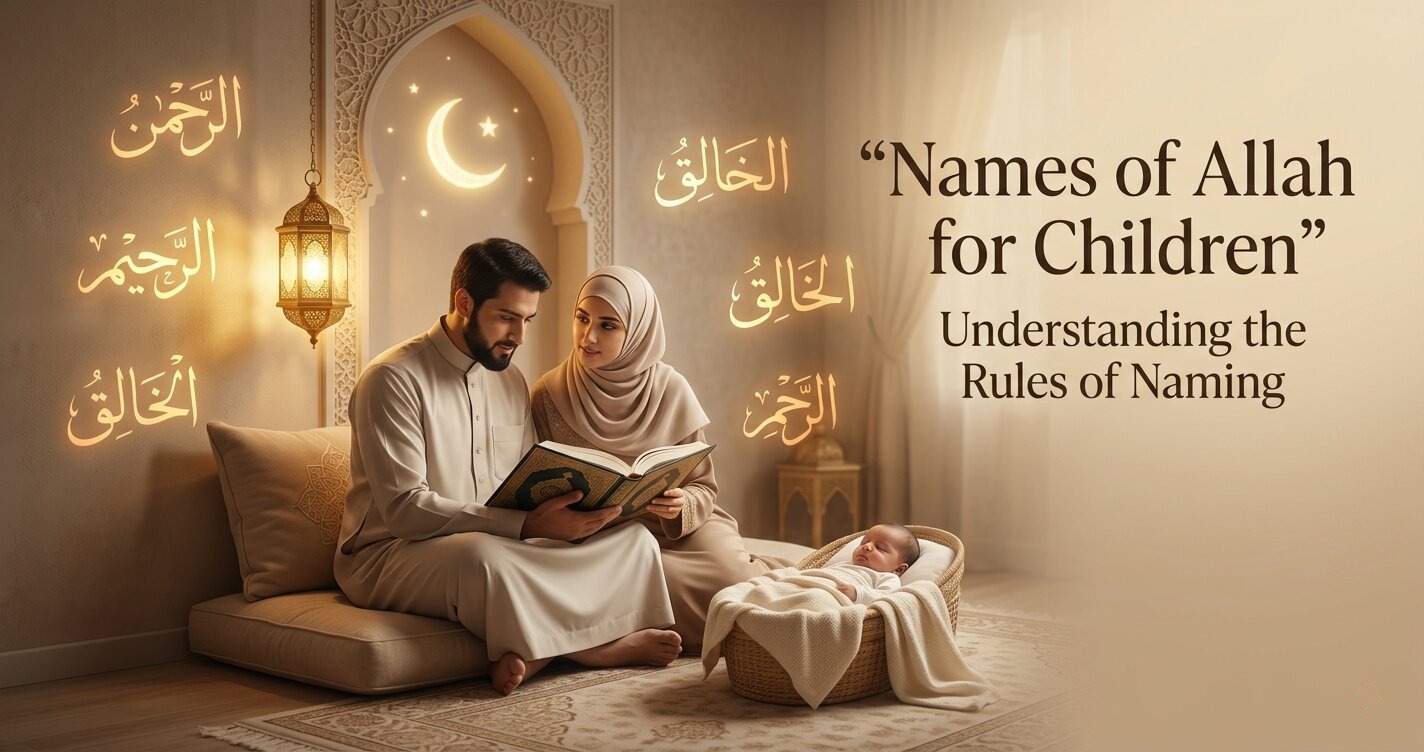
Names such as Al-Khaliq, Ar-Rahman, or Al-Quddus should not be used independently for humans because these are unique attributes of Allah.
14. Vulgar or Offensive Names
Any name with inappropriate, insulting, or embarrassing meanings should be avoided to protect the dignity of the child.
15. Trendy Names Without Meaning
Many modern names sound attractive but have unknown or problematic meanings. Muslim parents should always research a name before choosing it.
A Gentle Reminder for Muslim Parents
Every parent dreams of giving their child a beautiful future. In Islam, that journey begins with a beautiful name. A righteous name can inspire faith, confidence, and connection with Islamic heritage.
Many parents spend months preparing clothes, toys, and decorations for their newborn, but the child’s name deserves equal care and reflection. A good Islamic name is a lifelong gift that remains with your child in this world and the next.
Choose names that carry dignity, humility, faith, and beautiful meanings. Let your child grow up proud of their Islamic identity and connected to the legacy of the Prophets, companions, and righteous believers.
How to Choose a Good Islamic Name
- Choose names with positive and noble meanings.
- Prefer names from the Quran, Prophets, Sahabah, or righteous Muslims.
- Avoid names connected to shirk, arrogance, or sinful meanings.
- Research the exact meaning and origin before finalizing a name.
- Select names that are easy to pronounce and respectful in your culture.