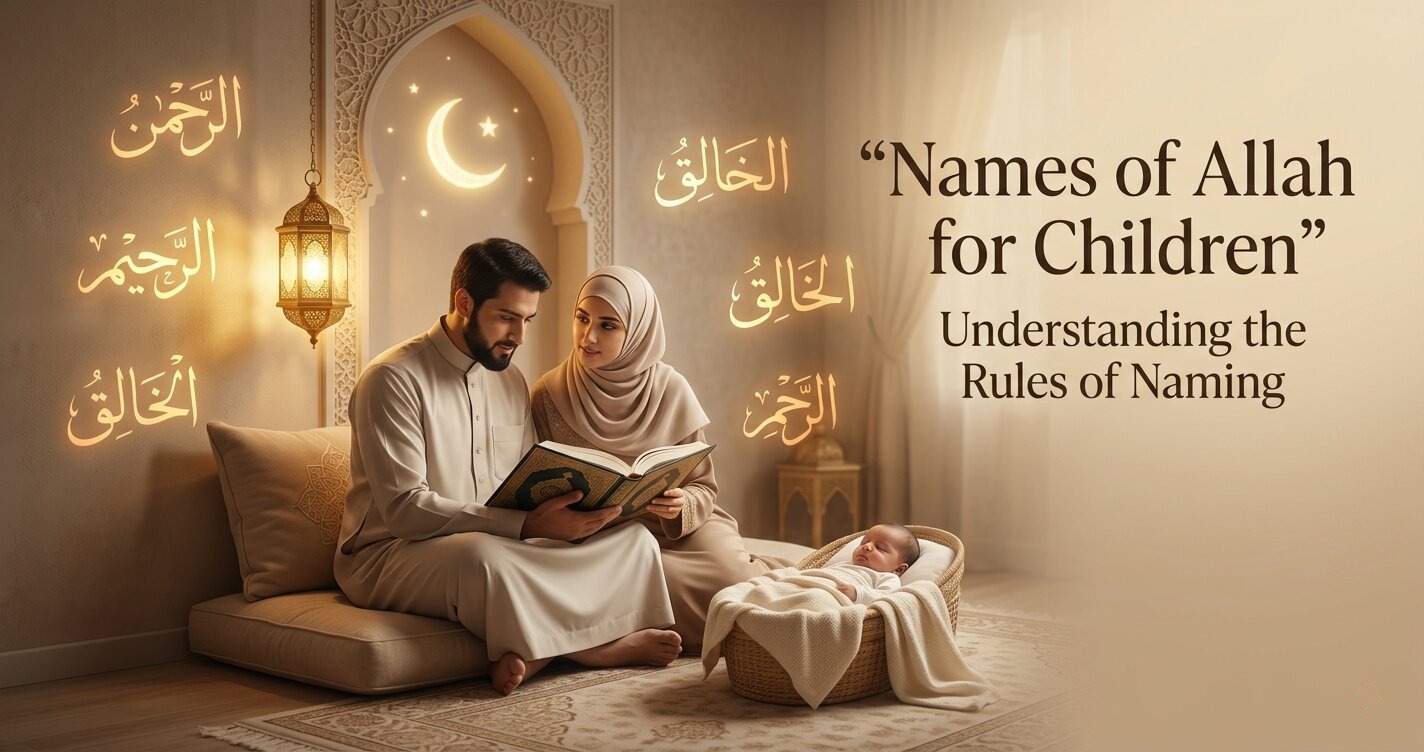
Names of Allah for Children: Understanding the Rules of Naming
Choosing a child’s name is one of the most meaningful moments in a Muslim parent’s life. Many parents are naturally drawn toward the beautiful Names of Allah because they carry deep spiritual meaning, mercy, honor, wisdom, and strength.
However, an important question often arises: Can Muslims directly use the Names of Allah for their children? Which names are allowed, and which are forbidden?
Understanding these rules is essential because some names belong exclusively to Allah سبحانه وتعالى, while others may be used correctly when combined in an Islamic way. Islam teaches us to honor Allah’s names with respect and humility.
This guide will help Muslim parents understand the Islamic rulings, meanings, and best practices when choosing names connected to Allah’s beautiful attributes.
What Are the Names of Allah?
In Islam, Allah has many beautiful names known as Asma ul Husna — the Beautiful Names of Allah. These names describe His perfect attributes such as mercy, wisdom, power, forgiveness, and majesty.
Examples of Allah’s Beautiful Names
- Ar-Rahman — The Most Merciful
- Al-Malik — The King
- Al-Hakeem — The Most Wise
- Al-Khaliq — The Creator
- As-Salam — The Source of Peace
These names are sacred and deserve proper respect when used in any context, especially for naming children.
Can Children Be Named Directly After Allah’s Names?
Some names belong exclusively to Allah and should not be used directly for human beings without modification.
Names such as:
Ar-Rahman
The Most Merciful
Al-Khaliq
The Creator
Al-Quddus
The Most Holy
are unique attributes of Allah سبحانه وتعالى and should not be given directly as personal names.
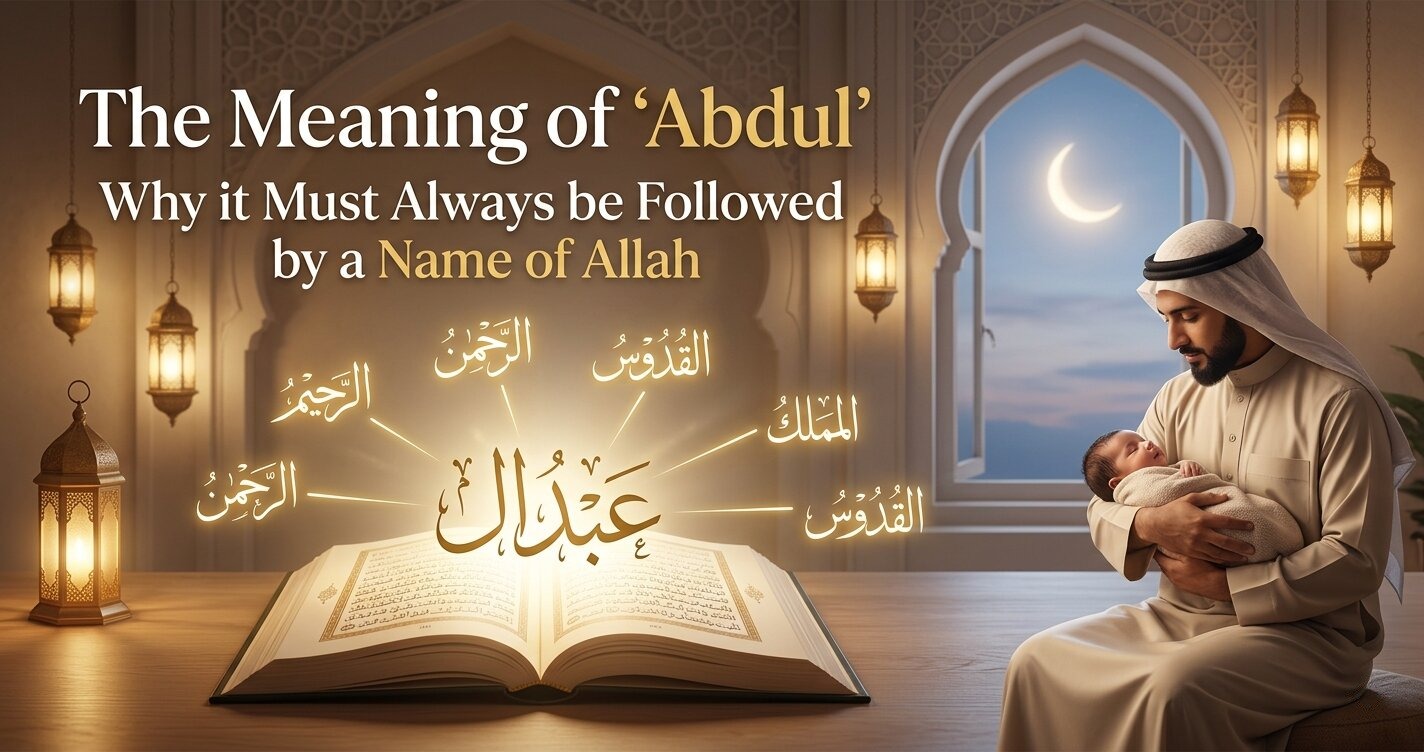
However, these names become permissible and beautiful when combined with the word “Abd”, meaning “servant of.”
These names express humility and servitude to Allah alone, which is highly encouraged in Islam.
Names That Are Allowed for Children
Some names connected to Allah’s attributes may be used if the meaning can also apply to human beings in a limited and respectful sense.
| Name | Status | Reason |
|---|---|---|
| Karim | Allowed | Means generous, which humans can also possess. |
| Hakim | Allowed | Means wise; acceptable for humans. |
| Rahim | Allowed | Means merciful in a human sense. |
| Malik | Allowed | Means king or owner in a worldly sense. |
Scholars explain that context and meaning matter greatly. Some names are exclusive to Allah, while others may describe human qualities in a limited way.
Names Muslims Should Avoid
Using Allah’s Names Alone
Names like Ar-Rahman or Al-Khaliq should not be used independently for children.
Incorrect “Abdul” Names
Names like Abdul Nabi or Abdul Rasool are problematic because servitude belongs only to Allah.
The Spiritual Beauty of a Good Islamic Name
A child’s name is often the first gift parents give them. In Islam, this gift should carry beauty, dignity, and remembrance of Allah.
Names connected to Allah’s attributes can inspire children throughout their lives. A child named Abdullah remembers that he is a servant of Allah. A child named Abdul Kareem grows up hearing about Allah’s generosity and mercy.
Choosing a respectful Islamic name is not simply a cultural tradition — it is a reflection of love for Allah, love for faith, and hope for a righteous future for the child.
Tips for Choosing Names Connected to Allah’s Attributes
- Research the meaning carefully before choosing a name.
- Use “Abd” before names exclusive to Allah.
- Avoid names that imply divine perfection for humans.
- Choose names with positive spiritual meanings.
- Teach children the meaning and beauty of their names as they grow.