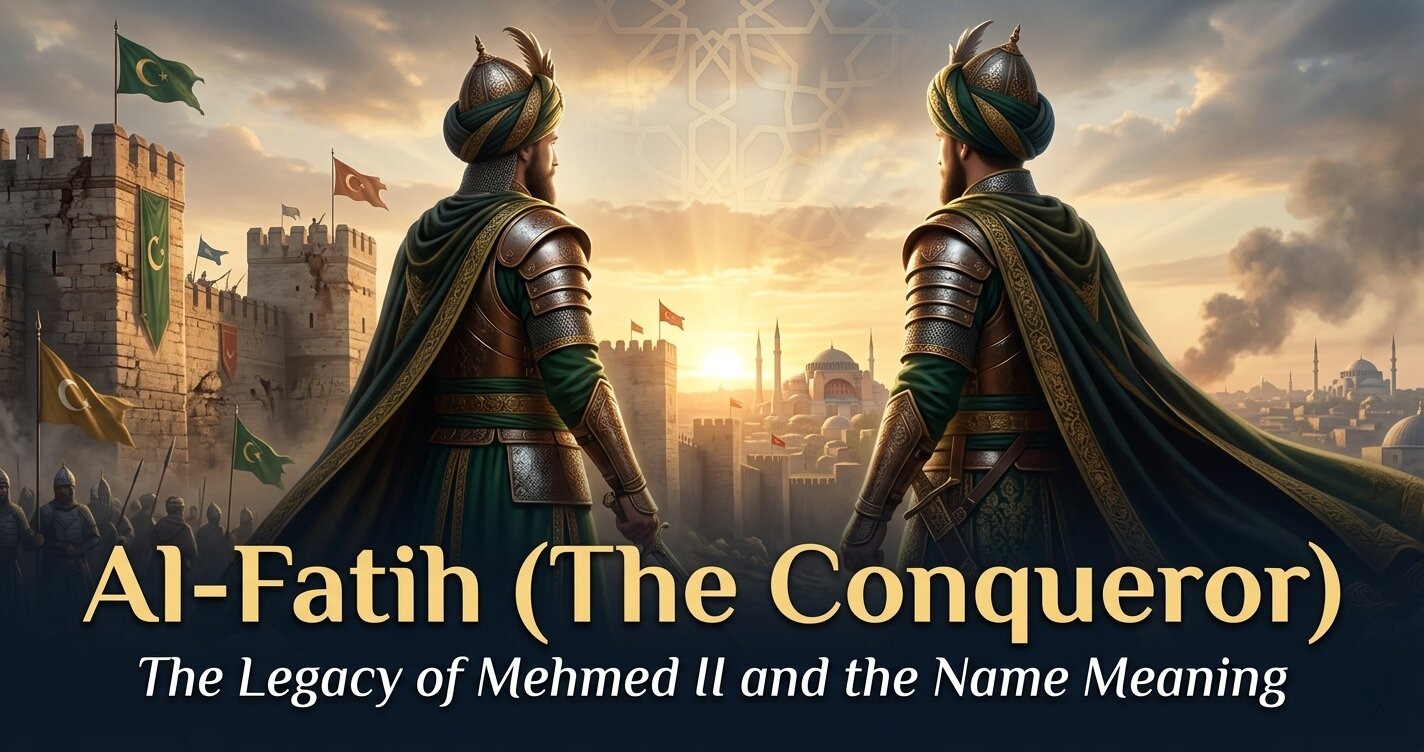
Al-Fatih (The Conqueror): The Legacy of Mehmed II and the Name Meaning
Few names in Islamic history carry the same sense of power, vision, and inspiration as Al-Fatih. Connected to Sultan Mehmed II, this legendary title continues to symbolize courage, leadership, and unwavering faith.
Throughout Islamic history, certain names rise beyond ordinary titles and become symbols of greatness. One of the most admired among them is Al-Fatih, meaning “The Conqueror.” This powerful title is forever linked to Sultan Mehmed II, the Ottoman ruler who conquered Constantinople in 1453 and changed world history forever.
For Muslim families, names inspired by great Islamic leaders are more than historical references. They carry emotional meaning, spiritual inspiration, and hopes for future generations. The name Al-Fatih represents determination, intelligence, courage, and trust in Allah during difficult moments.
Today, many parents are drawn to this noble Islamic name because it reflects both strength and deep historical significance while remaining elegant and timeless.
Who Was Mehmed II?
Sultan Mehmed II, also known as Mehmed the Conqueror or Mehmed Al-Fatih, was one of the most influential rulers of the Ottoman Empire. He became Sultan at a young age and is most famous for conquering Constantinople, the capital of the Byzantine Empire.
His victory fulfilled a famous prophecy admired by Muslims for centuries. The conquest transformed Constantinople into an important center of Islamic civilization and later became modern-day Istanbul.
Mehmed II was not only a military leader but also a scholar, strategist, and supporter of art, science, and architecture. His leadership combined intelligence with courage and deep religious conviction.
Because of his achievements, the title “Al-Fatih” became a lasting symbol of visionary leadership and faith-driven success.
Meaning of the Name Al-Fatih
The Arabic word Al-Fatih comes from the root “Fath,” which means opening, victory, success, or conquest.
Meaning and Symbolism
- The Conqueror
- The Opener of Doors
- The Victorious One
- The One Who Brings Success
In Islamic understanding, conquest is not simply about power. It also symbolizes overcoming hardship, spreading justice, and achieving success through patience and faith in Allah.
This gives the name Al-Fatih a deep spiritual and emotional meaning beyond its historical connection.
The Emotional and Islamic Significance of Al-Fatih
Muslim parents often choose names that inspire strength of character and closeness to Islamic values. Al-Fatih is admired because it reflects determination, vision, courage, and leadership rooted in faith.
The story of Mehmed II teaches Muslims the importance of preparation, patience, and trust in Allah. Despite enormous challenges, he remained focused on his mission and eventually achieved one of the greatest victories in Islamic history.
Naming a child Al-Fatih can symbolize hope that they grow into a confident, intelligent, and principled person who faces life’s difficulties with courage and sincerity.
Qualities Associated with the Name Al-Fatih
Leadership
Inspired by Sultan Mehmed II, the name reflects confidence, vision, and responsibility.
Courage
Al-Fatih symbolizes bravery during difficult situations and the ability to overcome fear.
Faith and Patience
The name reflects trust in Allah and perseverance during challenges.
Vision and Intelligence
Mehmed II was known for strategic thinking and love for knowledge, making the name deeply inspiring.
Why Historical Islamic Names Are Becoming Popular
Modern Muslim parents increasingly seek names with meaning, identity, and historical depth. Names like Al-Fatih connect children to Islamic heritage while sounding strong and timeless.
Historical Islamic names also create emotional pride and cultural connection. They remind children of great Muslim personalities who achieved success through wisdom, faith, and perseverance.
In a world where many names follow temporary trends, names inspired by Islamic history often remain meaningful for generations.
Tips for Choosing a Strong Islamic Boy Name
Choose a Name with Positive Meaning
In Islam, meaningful names are encouraged because they shape identity and emotional connection.
Understand the Historical Background
Learning the story behind a name makes it more inspiring and valuable.
Focus on Character and Values
The best names encourage courage, honesty, kindness, patience, and faith.
Choose Timeless Names
Historical Islamic names often remain respected and elegant across generations.
Frequently Asked Questions
What does Al-Fatih mean?
Al-Fatih means “The Conqueror,” “The Victorious One,” or “The Opener,” symbolizing success, victory, and overcoming challenges.
Who was Mehmed Al-Fatih?
Mehmed Al-Fatih was the Ottoman Sultan who conquered Constantinople in 1453 and became one of the greatest rulers in Islamic history.
Is Al-Fatih a good Islamic name for boys?
Yes. It is admired for its powerful meaning, historical importance, and connection to courage, leadership, and faith.
Why do Muslim parents choose historical Islamic names?
Historical Islamic names help preserve Muslim identity while inspiring children with stories of noble character and strong faith.