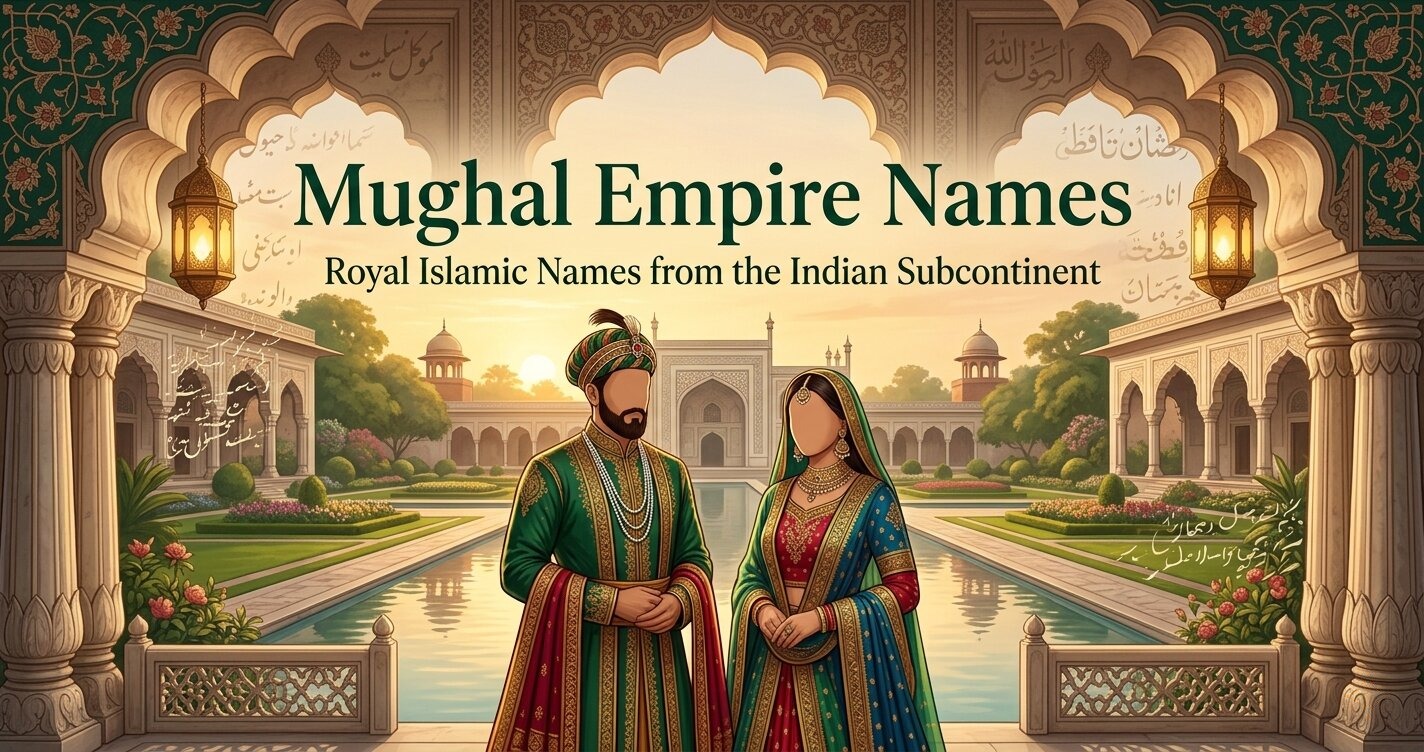
Mughal Empire Names: Royal Islamic Names from the Indian Subcontinent
The Mughal Empire left behind a magnificent legacy of art, architecture, culture, and powerful Islamic names that continue to inspire Muslim families across generations.
Islamic history in the Indian subcontinent was deeply influenced by the Mughal Empire, one of the most celebrated Muslim dynasties in world history. From majestic palaces and beautiful gardens to poetry, scholarship, and architecture, the Mughals shaped a rich cultural heritage that still lives on today.
Alongside their historical achievements, the Mughal era also introduced elegant and meaningful Islamic names that reflected royalty, bravery, beauty, wisdom, and spirituality. Many of these names remain beloved among Muslim families because they sound graceful while carrying deep historical and emotional significance.
Whether inspired by mighty emperors, noble queens, or influential scholars, Mughal names connect modern generations with a glorious chapter of Islamic civilization in South Asia.
The Legacy of Mughal Islamic Names
Mughal names often blended Persian, Arabic, Turkish, and South Asian influences. This created names that sounded poetic, royal, and deeply sophisticated.
Many Mughal rulers selected names and titles associated with light, paradise, victory, beauty, and spiritual greatness. These names became symbols of elegance and authority throughout the Muslim world.
Today, Mughal-inspired names remain timeless because they combine Islamic identity with rich cultural heritage from the Indian subcontinent.
Royal Mughal Names for Boys and Girls
Akbar
One of the most famous Mughal emperors, Akbar was known for leadership, intelligence, and cultural influence.
Meaning: Great, powerful, magnificent
Jahanara
Mughal princess Jahanara Begum was admired for wisdom, charity, spirituality, and literary talent.
Meaning: Adornment of the world
Humayun
Emperor Humayun is remembered for resilience, dignity, and rebuilding the Mughal Empire after hardship.
Meaning: Fortunate, blessed, lucky
Nur Jahan
One of the most influential Mughal queens, Nur Jahan was celebrated for elegance, intelligence, and political wisdom.
Meaning: Light of the world
Shah Jahan
The emperor who built the Taj Mahal, Shah Jahan is associated with beauty, romance, and artistic greatness.
Meaning: King of the world
Zebunnisa
A Mughal princess famous for poetry, scholarship, and spiritual depth.
Meaning: Beauty of women
The Emotional and Spiritual Beauty of Mughal Names
Islamic names are often chosen with hope and prayer. Parents wish for their children to carry qualities reflected in the meaning and history behind a name.
Mughal-inspired names carry a sense of grace, confidence, intelligence, and refinement. Many of the historical figures connected to these names were patrons of charity, education, art, and Islamic culture.
Choosing such a name allows families to celebrate both Islamic identity and the rich Muslim heritage of the Indian subcontinent while inspiring future generations with dignity and purpose.
Why Mughal Names Remain Popular Today
Mughal names continue to be loved because they sound elegant, royal, and meaningful. Many are easy to pronounce across different cultures while still preserving Islamic roots.
Interest in Mughal history, architecture, literature, and royal culture has also increased appreciation for these historical names among younger Muslim parents.
These names often feel timeless — sophisticated enough for modern life while deeply connected to Muslim history and tradition.
Tips for Choosing a Royal Islamic Name
Understand the Meaning
A meaningful name adds emotional and spiritual value throughout a child’s life.
Learn the Historical Story
Names connected to inspiring Muslim personalities often create a stronger emotional connection.
Choose Timeless Elegance
Royal Islamic names often remain beautiful and respected across generations.
Focus on Islamic Values
The best names inspire qualities such as wisdom, kindness, courage, humility, and faith.
Frequently Asked Questions
Are Mughal names Islamic?
Yes. Many Mughal names have Arabic, Persian, and Turkish Muslim origins and were commonly used by Islamic rulers and royal families.
Why are Mughal-inspired names still popular?
They combine elegance, historical depth, royal charm, and strong Islamic cultural identity.
Which Mughal female name is most famous?
Nur Jahan and Jahanara are among the most admired Mughal female names because of their intelligence, beauty, and historical influence.
Can Mughal names be used in modern times?
Absolutely. Many Mughal names remain stylish, meaningful, and adaptable for modern Muslim families around the world.